Skip to content
The AddressLuxury Homes
Explore Costa Rica

Destinations

Seven regions, seven entirely different ways to live. Each profile explains the character of the place, how it feels across the year, and the kind of homes found there.

01North Pacific

Guanacaste

Dry forest, long beaches and the most reliable sunshine in the country.

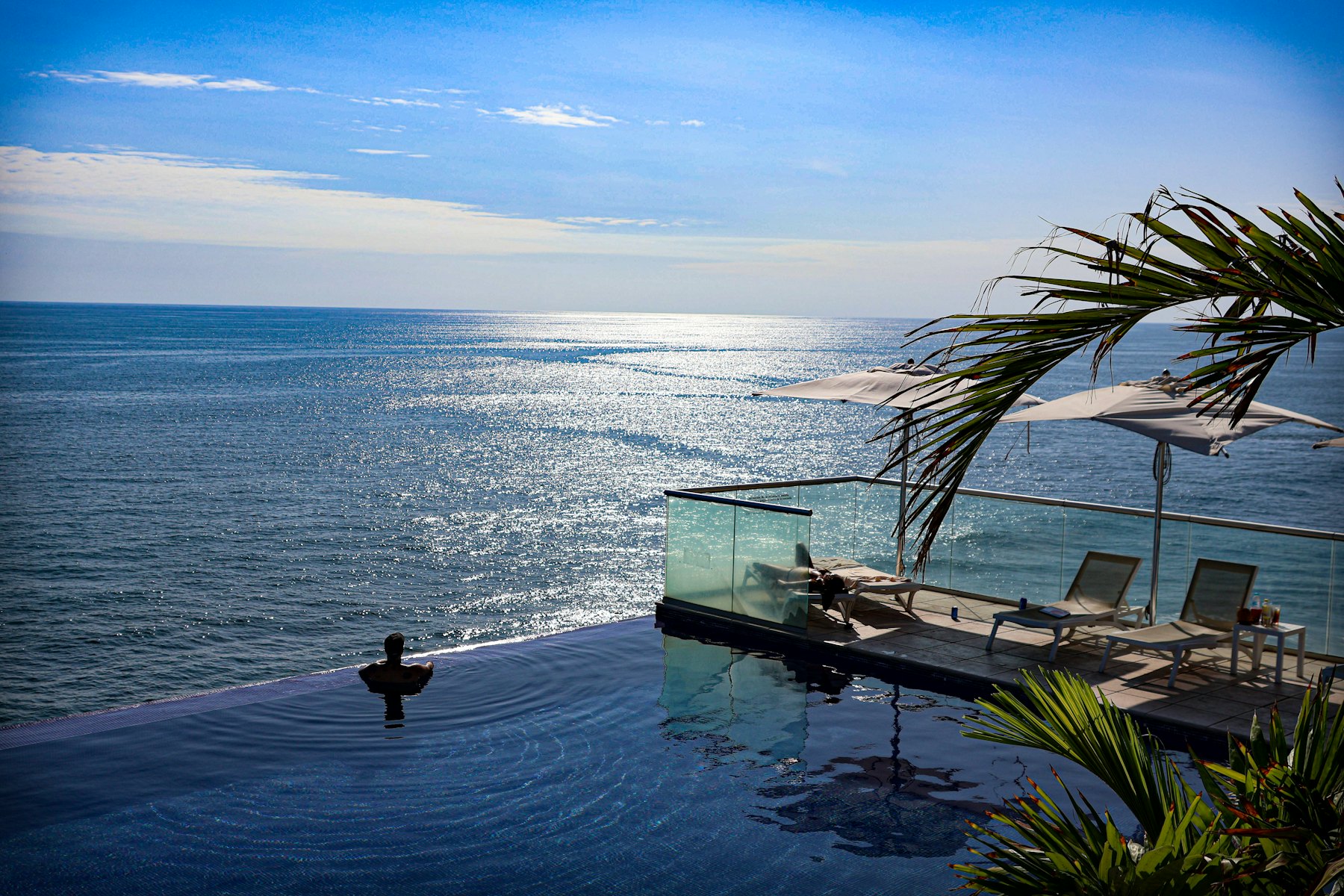
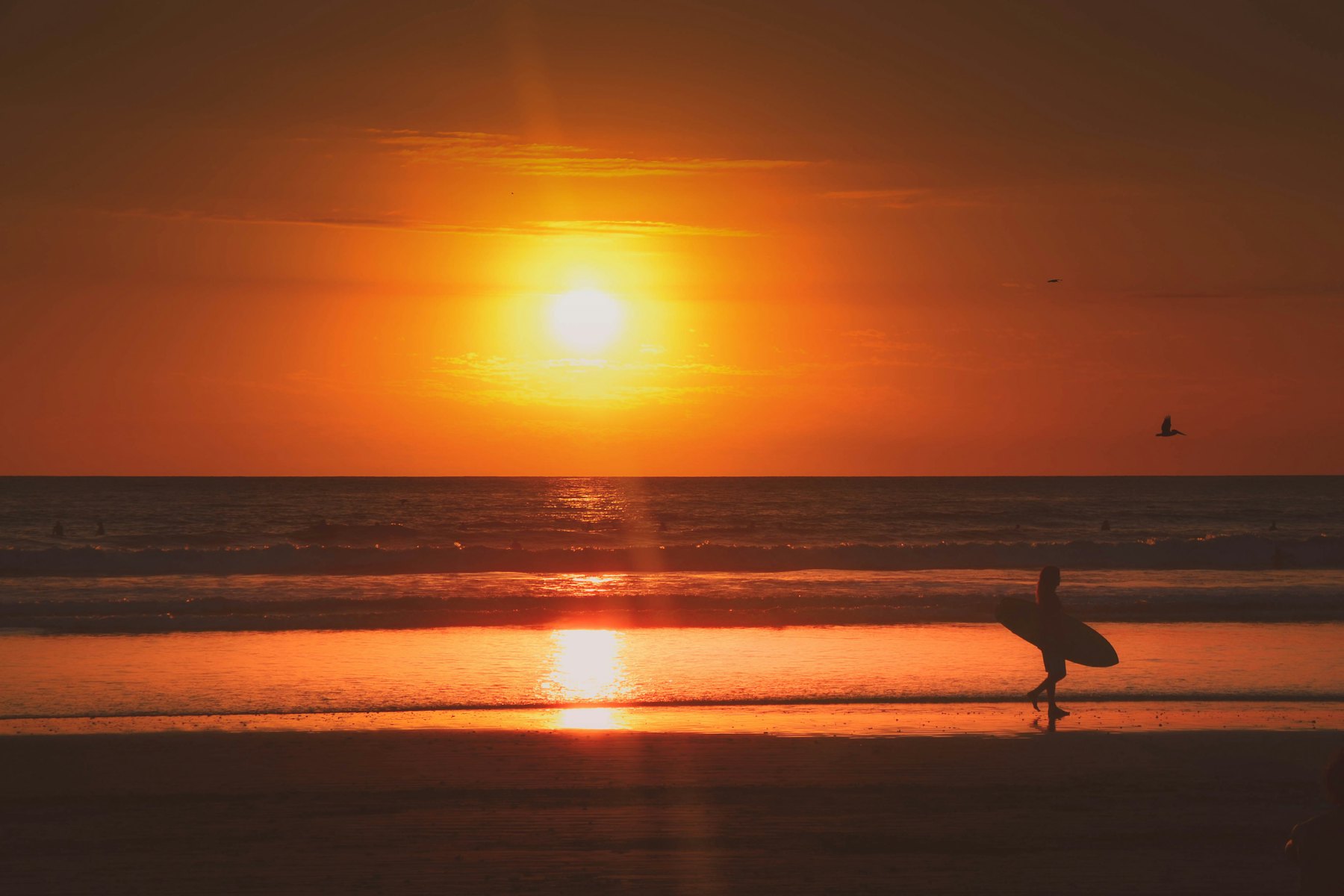
Guanacaste is Costa Rica's driest and sunniest province, which is the single fact that shapes everything about living there. From December to April it barely rains; the forest loses its leaves, the light turns hard and golden, and the wind blows steadily from the north-east. From May the rain returns in the afternoons and the whole province turns green within a fortnight.
02North Pacific

Papagayo Peninsula

Costa Rica's most controlled coastal development, on a peninsula of protected bays.

The Papagayo Peninsula is a planned concession area, which makes it unlike anywhere else on the Costa Rican coast. Building density, height, materials and even planting are governed centrally, and large portions of the peninsula are held permanently as forest.

03Nicoya Peninsula

Nosara

A protected coastline, a long-standing yoga and surf community, and strict building rules that kept it low.

Nosara is defined by two things: the Ostional wildlife refuge immediately to the north, and a set of local building restrictions established decades ago that kept construction behind the tree line and below the canopy. There are no beachfront towers here and there will not be.

04Nicoya Peninsula

Santa Teresa

The southern tip of the Nicoya Peninsula — surf, design, and a single road along the sea.

Santa Teresa grew along one road that runs parallel to the beach from Playa Carmen south to Mal País. Everything is on it or just off it, which gives the town a density and an energy that Nosara deliberately avoided.

05Central Valley

Escazú

The hills west of San José — international schools, hospitals, and a mountain climate twenty minutes from the capital.

Escazú climbs from the valley floor into the Cerros de Escazú, and altitude is the thing that matters. Lower Escazú is busy, convenient and warm; by the time you reach San Antonio and the upper roads the temperature has dropped several degrees and the valley is laid out below you.

06Central Valley

Santa Ana

Warmer, drier and more open than Escazú, with a town centre that still feels like a town.

Santa Ana sits slightly lower and further west than Escazú, which makes it noticeably warmer and drier — a difference of a few degrees that matters a great deal day to day. The valley opens up here, the hills are gentler, and there is more horizontal space.

07Puntarenas

Central Pacific

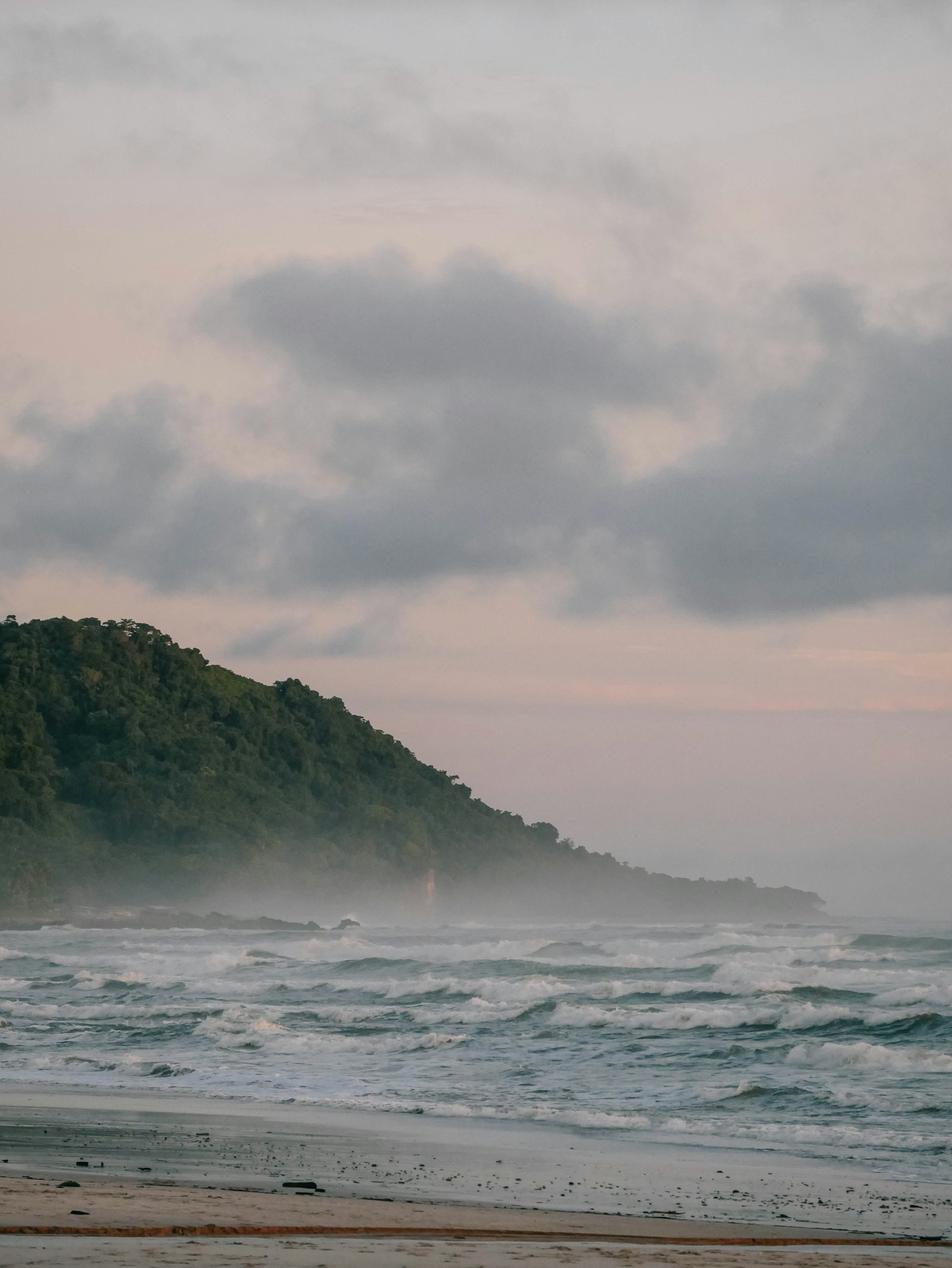
Rainforest that runs straight down to the sea, and the shortest drive to the coast from San José.

The Central Pacific — Jacó, Herradura, Esterillos, Manuel Antonio and the coast between them — is where the rainforest meets the ocean without a dry zone in between. It is greener, wetter and more dramatic than Guanacaste, with steep forested headlands dropping to the water.