These articles are editorial drafts prepared with the site. They are written to be replaced with The Address's own published pieces.
Two entirely different lives, ninety minutes apart. How buyers actually decide between them.
Almost every buyer who comes to Costa Rica with an open mind ends up at the same fork: the Pacific coast, or the hills around the Central Valley. They are close on a map and nothing alike to live in.
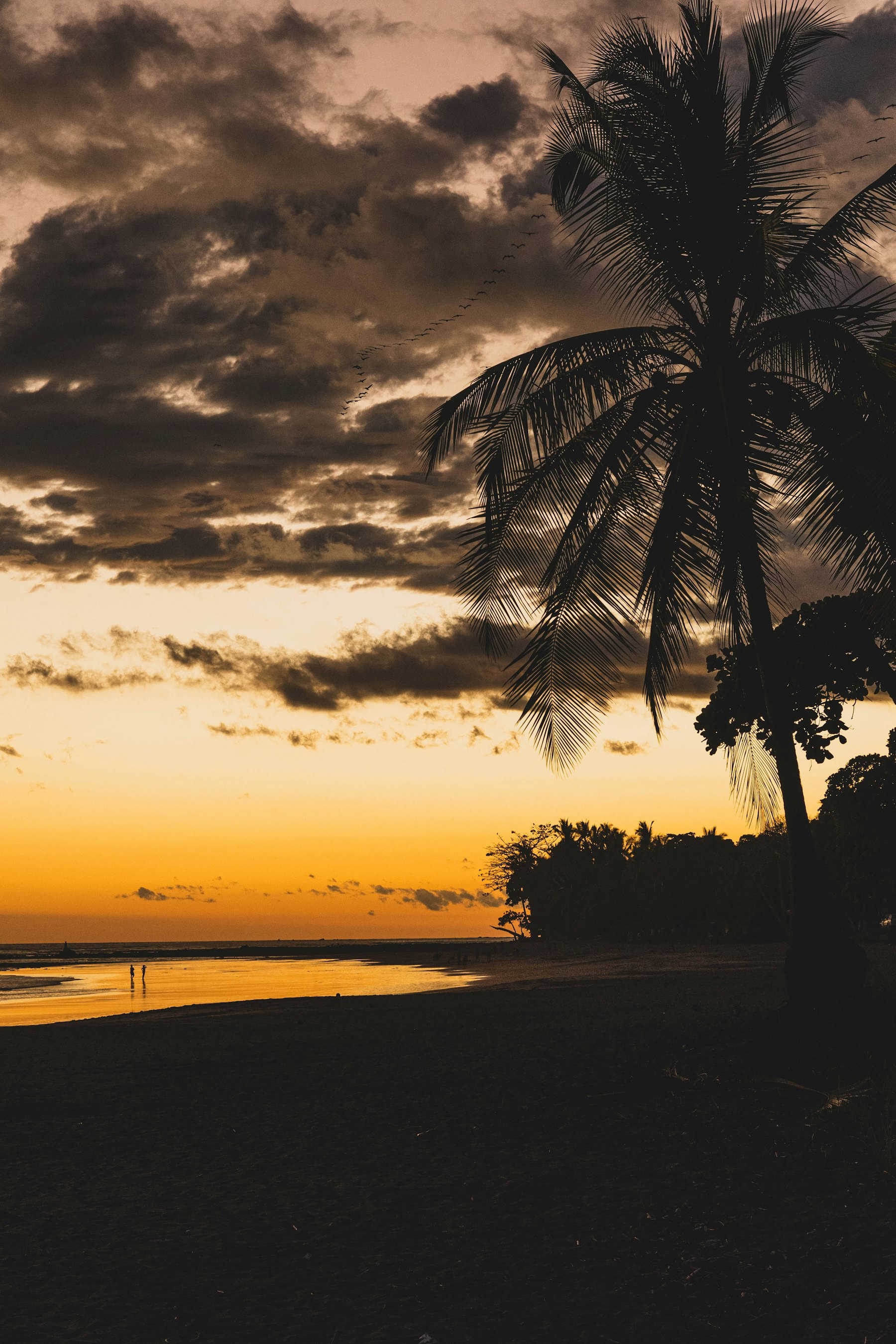
The coast is warm year-round, often humid, and organised around water — swimming, surfing, boats, the particular rhythm of a place where the day ends at sunset. Services are good in the established communities and thinner outside them. Maintenance is constant: salt, sun and rain work on a building continuously.
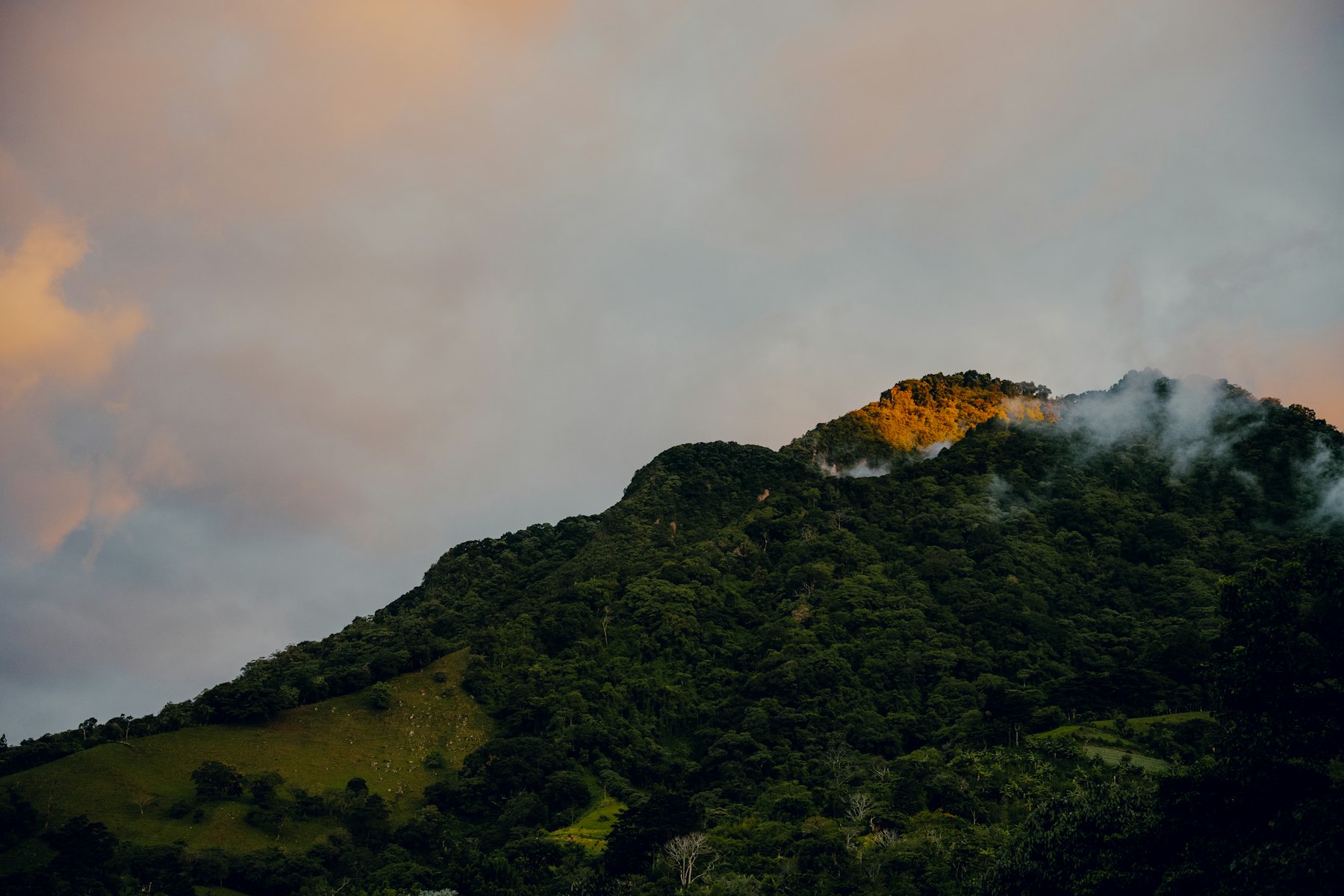
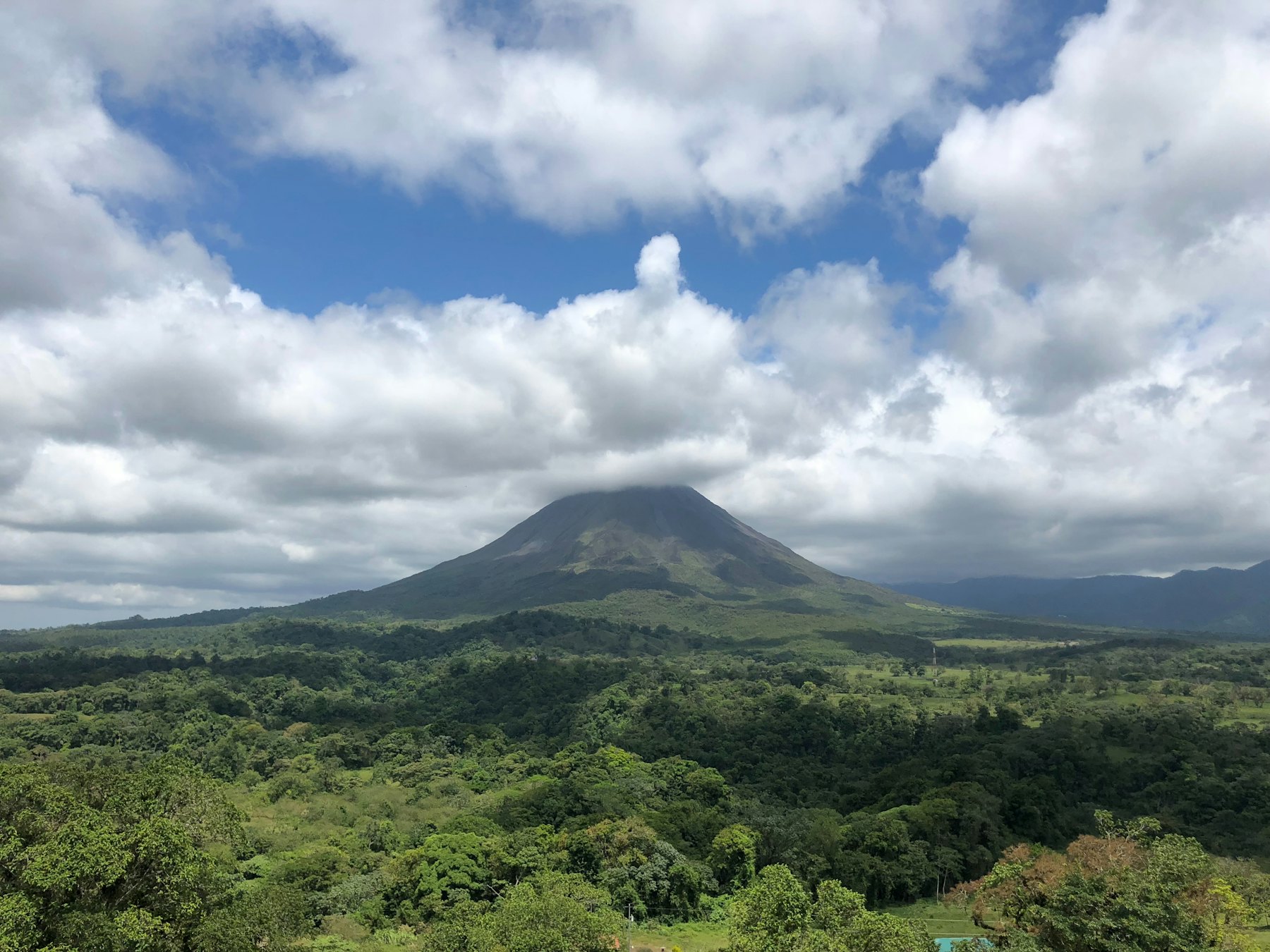
The valley is temperate. Between roughly 1,000 and 1,500 metres the temperature sits in a narrow band all year, which means no heating, usually no cooling, and a climate that visitors consistently underestimate until they have spent a week in it. Hospitals, schools, restaurants and the international airport are all close. The trade-off is that you are in a city — traffic, noise and the ordinary friction of urban life.
In practice, the decision usually comes down to two questions. First, how much of the year will you actually be here? Under three months, the coast tends to win; over six, people increasingly want the valley's services and climate. Second, who is coming with you? Families with school-age children overwhelmingly settle in Escazú or Santa Ana and buy a second, smaller place on the coast.
The third option, which more buyers choose than expect to, is both: a primary residence in the valley and a weekend house ninety minutes away on the Central Pacific. It is the one arrangement that gets you the climate, the services and the water without compromising on any of them.