These articles are editorial drafts prepared with the site. They are written to be replaced with The Address's own published pieces.
The best houses in Costa Rica are rarely the largest ones. A note on why restraint tends to age better here.
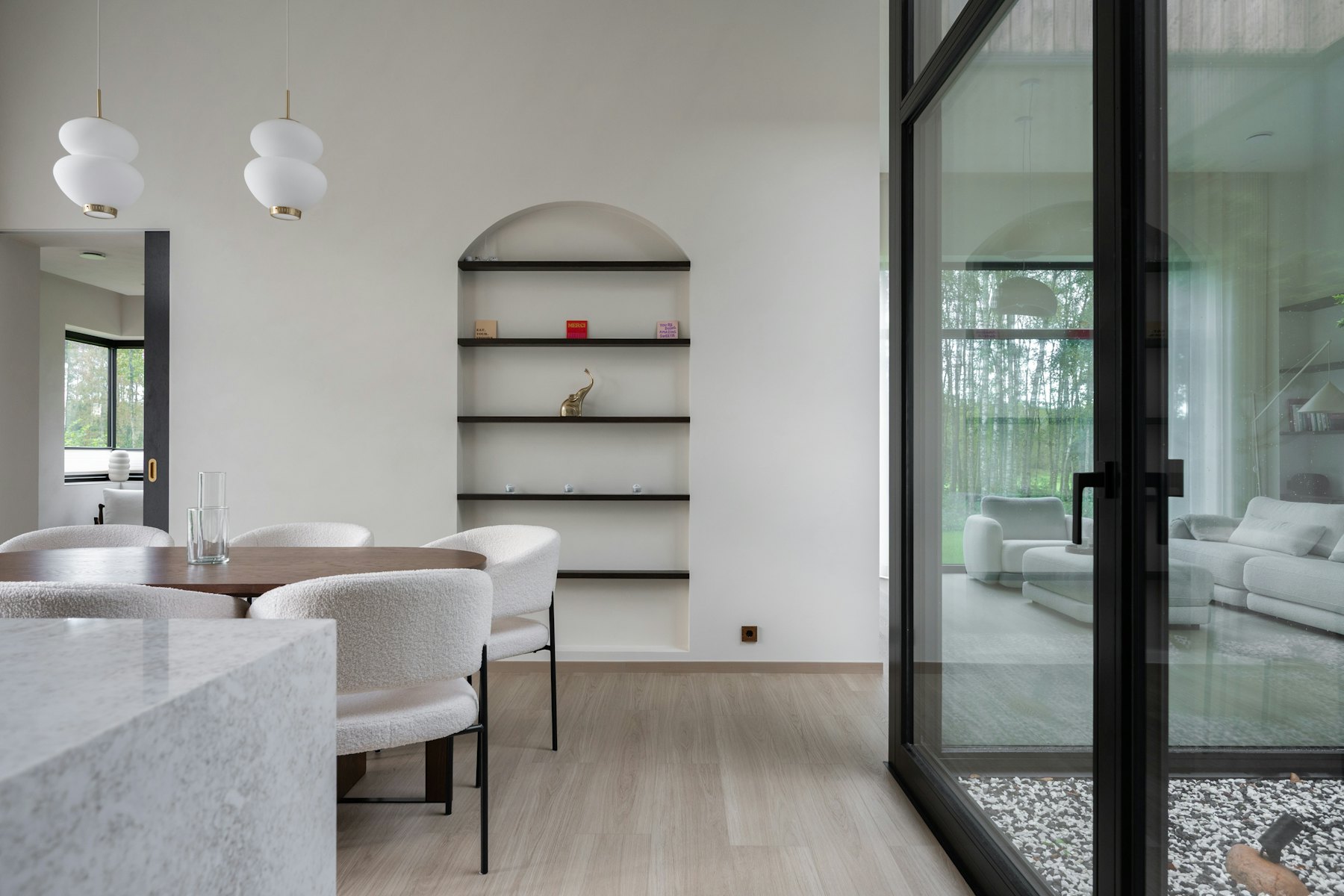
There is a particular kind of house that appears on this coast every few years: very large, fully enclosed, heavily conditioned, and designed as though the climate outside were a problem to be sealed out rather than a reason to be here.
They are expensive to run and surprisingly hard to resell. The running cost is obvious — cooling a large glazed volume in a humid climate is a permanent expense. The resale difficulty is more interesting: a house that works only with its systems running is a house that cannot be left empty, and most owners here are not in residence year-round.
The alternative is not austerity. It is a narrower plan. A house one room deep ventilates itself. Covered outdoor space, which costs a fraction of interior space, does most of the work of living in a tropical climate. A smaller enclosed footprint with generous terraces usually produces a house that feels larger than its square metres and costs less to keep.
This is not a new idea here. It is how the traditional Guanacaste house was built — deep eaves, a central corridor, thick walls, rooms opening onto a shaded exterior. Contemporary architects working in Costa Rica have largely returned to that logic, in modern materials.
For a buyer, the practical signal is simple: look at the proportion of covered outdoor space to interior space, and look at whether the house can be comfortable with the air conditioning off. The houses that pass both tests are, almost without exception, the ones people stay in.