These articles are editorial drafts prepared with the site. They are written to be replaced with The Address's own published pieces.
Orientation, water, access and what the neighbour is allowed to build. The four questions that decide whether a property holds its value.
A house can be changed. A site cannot. That asymmetry should shape the order in which a property is assessed, and in practice it often does not — buyers fall for an interior and work backwards to justify the land it sits on.
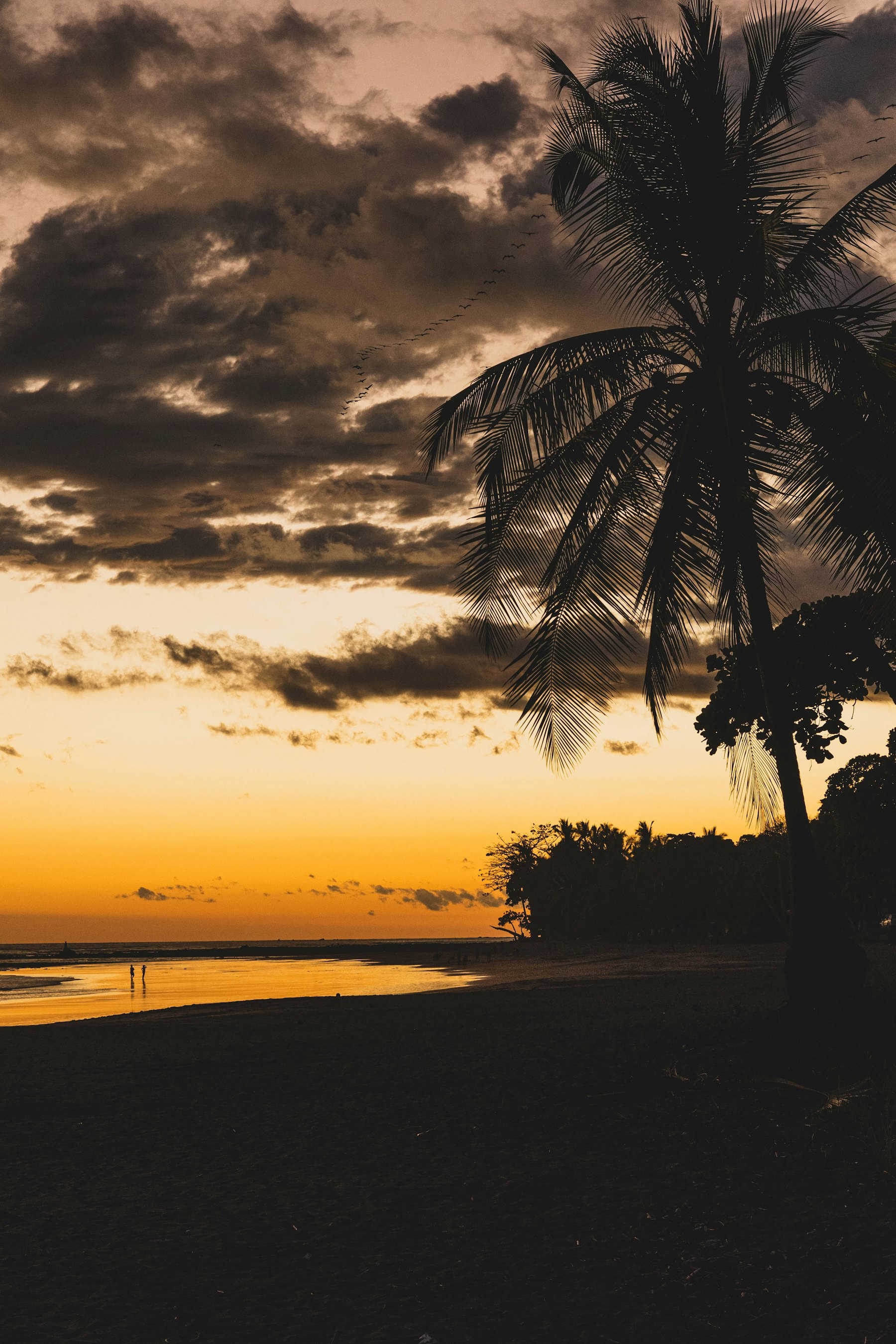
Orientation comes first. In this latitude the difference between a west-facing terrace and an east-facing one is the difference between evenings outside and evenings indoors. West gives you sunset and heat; east gives you cool mornings and an afternoon in shade. Neither is wrong, but the house should be organised deliberately around one of them, and you should know which you are buying.
Water is second, and it is the question most often skipped. Where does the property's water come from — a municipal connection, a private well, an ASADA community system? Is the right registered? What is the pressure like at the end of the dry season rather than in October? In parts of Guanacaste in particular, water availability is the binding constraint on what can be built.
Access is third. Ask how the road behaves in the green season, who maintains it, and whether the access is a registered right of way or an informal arrangement that has simply never been tested. A property reached by a road nobody owns is a property with a future conversation attached to it.
Fourth: what can be built next door, and in front. A view is only an asset for as long as it is protected — by topography, by a concession's rules, by a condominium's regulations, or by zoning. If the answer is 'nothing has been built there so far', that is not protection. It is luck.
None of this requires expertise to begin. It requires asking four questions early, before the house has had a chance to be persuasive, and being willing to hear an answer you did not want.